
Marble Flooring vs Wall Cladding: How to Choose Thickness, Slab Size & Surface Finish
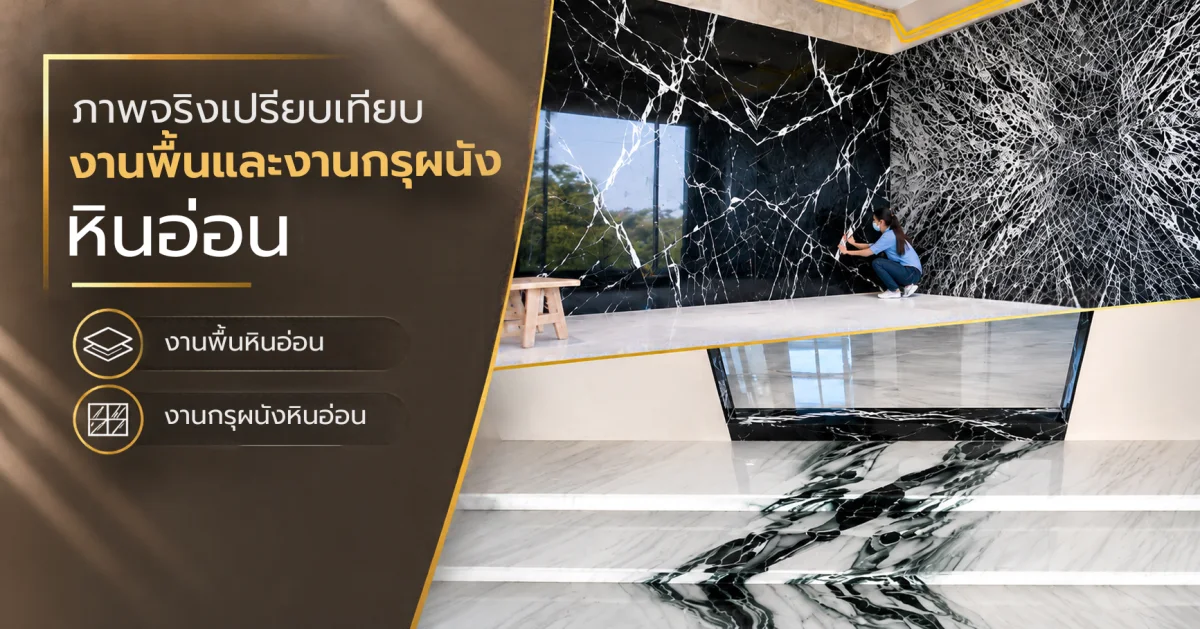
Selecting marble for floors and walls requires an understanding of the application, supporting structure, installation method, and site conditions. One fixed thickness cannot be assumed suitable for every project. This guide helps architects, contractors, and procurement teams prepare meaningful specifications and questions for their stone supplier and installation specialists.
Quick Answer: How Do Floor and Wall Requirements Differ?
- Flooring calls for attention to foot traffic, slip risk, cleaning, and substrate conditions.
- Wall cladding requires review of panel weight, fixing systems, deflection, and structural considerations.
- Thickness and slab size depend on stone properties, panel dimensions, support, and installation design.
- Polished, honed, and textured finishes affect appearance, maintenance, and safety.
- Send drawings, locations, quantities, proposed dimensions, finishes, and site constraints when requesting a quote.
Key Terms
| Stone Thickness | Specified thickness of the stone panel for its intended application. |
| Slab Size | Dimensions of a stone slab available for layout and fabrication. |
| Surface Finish | Final texture or appearance, such as polished or honed. |
| Substrate | Underlying surface or structure supporting an installation. |
| Mechanical Fixing | Engineered anchors or fixings used to support stone cladding. |
| Shop Drawing | Detailed fabrication and installation drawing. |
Why Should Flooring and Wall Cladding Not Share One Generic Specification?
Flooring is subject to foot traffic and service conditions, while walls require particular attention to panel weight and secure support. High walls, exterior applications, and large panels can involve additional engineering requirements. Marble varieties also differ in physical properties. Therefore, no single thickness or slab dimension should be presented as universally suitable: actual stone data and the proposed installation system must be reviewed.
7 Factors to Specify Before Procurement
1. Define the Application
Separate interior floors, wet floors, interior walls, tall wall cladding, and exterior areas. Moisture, traffic, sunlight, and maintenance demands differ. Confirm that the proposed stone is suitable for its environment.
2. Specify Thickness Based on the System
Thickness depends on stone properties, support conditions, panel dimensions, loading, installation method, and project requirements. Tall walls and large-format panels need appropriate technical and structural review; avoid specifying a universal value without supporting information.
3. Plan Slab Dimensions and Vein Layout
Use elevations and floor layouts to identify joints, vein direction, cut pieces, openings, and special profiles. Check actual slab availability and cutting yield so quantities and BOQ allowances are realistic.
4. Choose a Finish for the Intended Use
Polished marble can create a reflective appearance, while honed or textured finishes have different tactile and maintenance characteristics. Wet areas require specific consideration of slip risk and applicable project performance criteria.
5. Review Substrates and Installation Methods
Check levels, flatness, moisture, strength, movement, and joints of the supporting surface. Confirm the approved installation method rather than assuming one method suits every location.
6. Approve Samples and Natural Veining
Natural stone varies from slab to slab. Define the approval process for samples, actual slabs, or dry-lay arrangements where continuous veining is important. Agree on acceptance criteria before fabrication.
7. Define Procurement and Installation Scope
Separate material supply, edge processing, cutouts, skirting, delivery, lifting, fixings, surface protection, and handover. Consistent scope makes quotations easier to compare.
Discuss Your Project with MARBLE STORY
Share drawings, BOQ details, and stone references with MARBLE STORY to discuss material options and the proposed scope before requesting a quotation.
5 Common Specification Mistakes
- Applying one thickness to every location without reviewing loading and support.
- Choosing a polished finish for a wet area without checking slip requirements.
- Using a reference photograph instead of approving actual stone samples.
- Omitting panel dimensions, joint layouts, and cutting waste allowances.
- Comparing material-only prices with supply-and-installation quotations.
10-Point Checklist Before Requesting a Quotation
- Define application and exposure conditions.
- Provide floor plans, elevations, and sections.
- Identify the stone or provide references.
- Define panel dimensions and joint layout.
- Confirm thickness through technical review.
- Specify finish and safety requirements.
- Review substrate and installation system.
- Agree on actual-slab and vein approval.
- Separate material and installation BOQ items.
- Provide schedule, location, and approval contacts.
Related Material Collections
Review marble and granite collections as starting points; confirm individual product specifications and actual samples before selection.
Frequently Asked Questions
What thickness should marble flooring be?
There is no universally suitable number. Stone type, dimensions, substrate, use, and engineering requirements must be reviewed before selecting thickness.
Is polished marble suitable for bathrooms?
Wet-area slip risk and project performance criteria must be assessed before approving a finish. Appearance alone is insufficient.
Do larger slabs always mean fewer problems with joints?
Larger slabs may reduce the number of joints, but handling, cutting, support, and installation constraints can become more demanding.
Which fixing system is required for wall cladding?
It depends on wall height, panel weight, substrate, environment, and a technically reviewed design.
What should I send to request a quotation?
Send drawings, quantities, proposed stone, finish, installation scope, site location, and delivery schedule.
Planning Marble Flooring or Wall Cladding?
Share drawings, BOQ details, and stone references with MARBLE STORY to discuss material options and the proposed scope before requesting a quotation.
About MARBLE STORY CO., LTD.
MARBLE STORY works with natural stone and architectural surface materials including marble, granite, terrazzo, quartz, GEOLUXE, and porcelain. Confirm product details, project scope, and installation requirements directly with the company.
Need more recommendations?
Our team can help select suitable stone materials and application ideas for your project.